A deep crack in the mountain
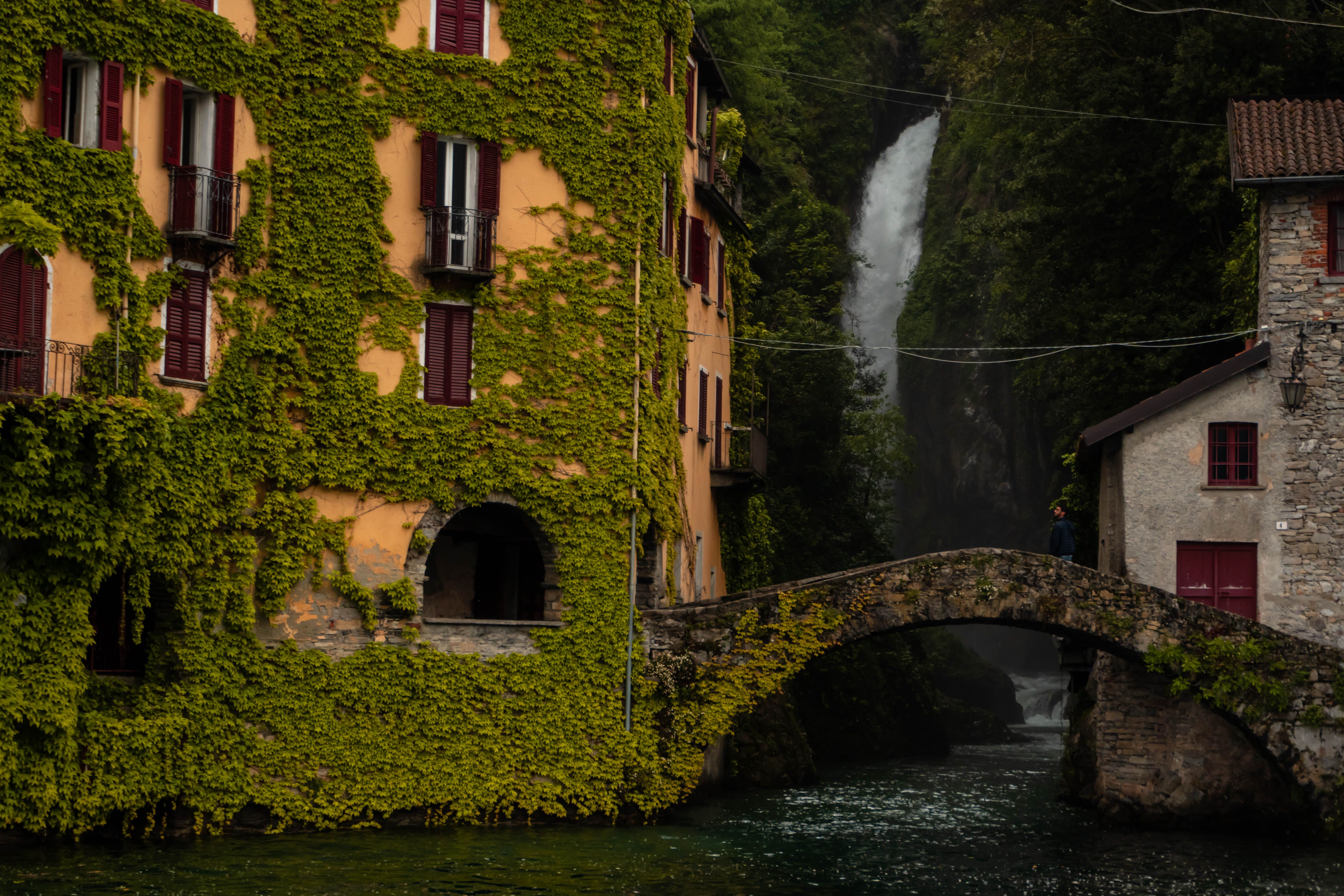
Anyone who has ever scrolled through a Lake Como hashtag has seen Nesso. A waterfall plunging right through the middle of a village,an arched stone bridge over the gorge,pastel-colored houses stacked on the rock. It's the Orrido di Nesso,one of the most shared images of the entire lake.
Almost no one,though,has seen what lies beneath it.
The water that falls so photogenically into the lake at Nesso isn't born where you'd think. It's born as rain,far above the village,on a karst plateau called Pian del Tivano.
From there it vanishes into the ground and travels,unseen,through what is today Italy's longest cave,before resurfacing from a spring beneath the nearby village of Zelbio and finally plunging into Lake Como. The postcard is real. It's simply the exit point of a much longer,much stranger story.
This is that story,fact-checked line by line,with everything a traveler needs to actually get there,and everything a local from Como already half-knows but has perhaps never seen written down.
IN BRIEF
- The waterfall you photograph is the exit point of Italy's longest cave: the water resurfaces beneath Zelbio after traveling for kilometers through the dark rock above the village.
- Leonardo and Hitchcock both passed through here: Leonardo da Vinci noted Nesso in the Codex Atlanticus,and in 1925 Alfred Hitchcock filmed a scene of his first movie on the Civera bridge.
- How and when to go: by car on the SP583 or by the C30 bus from Como,park in the outlying hamlets,and the waterfall is at its most powerful in spring and early morning.