A Church Full of Bicycles
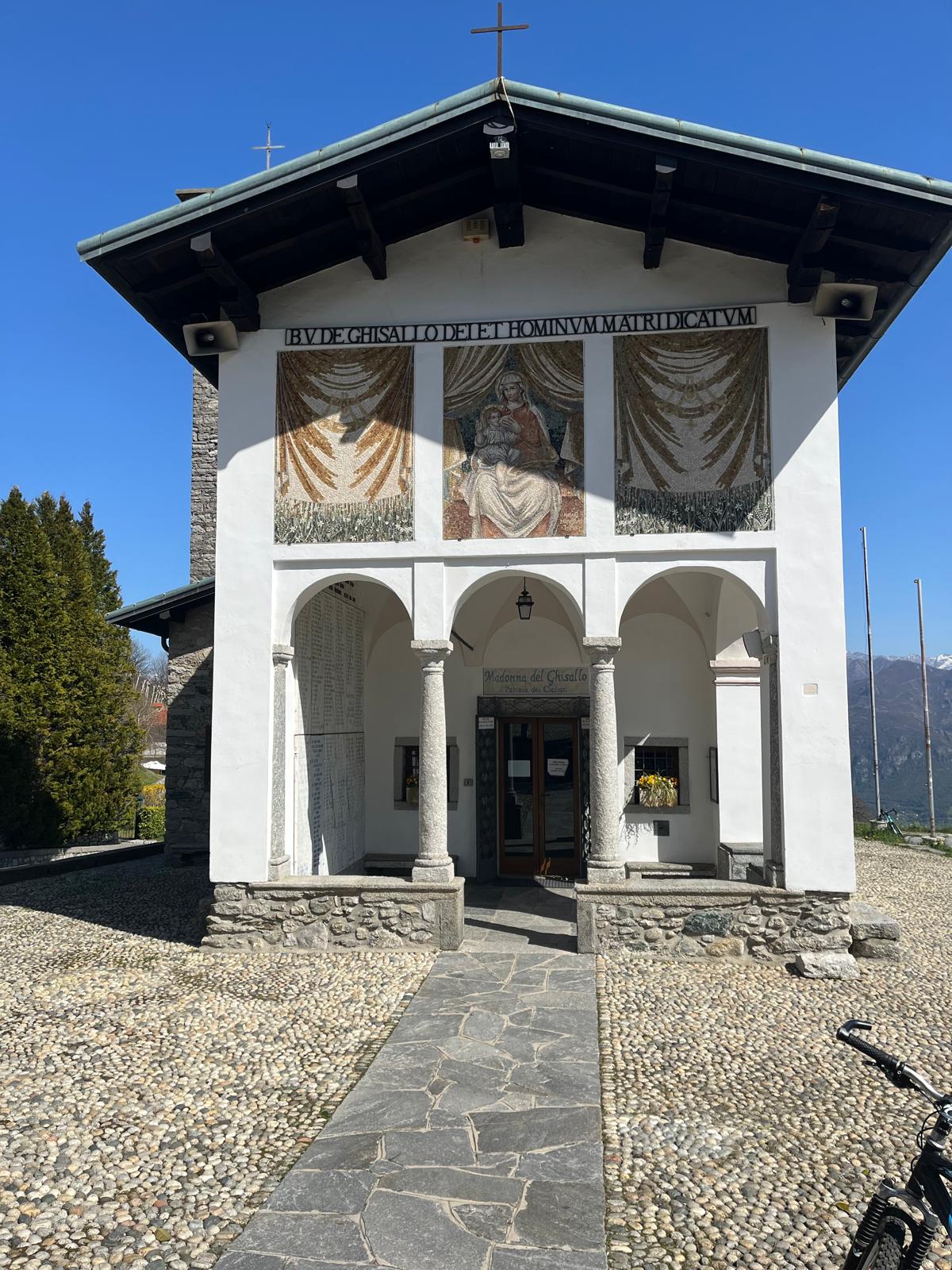
On Saturday 10 October 2026 the Lombardia passed once again in front of the Madonna del Ghisallo, the little church above Bellagio where cyclists hang their bicycles on the walls. The race, now in its 120th edition, had set off from Bergamo, followed the lake from Lecco to Bellagio and from there taken the classic climb, the one with the hairpins in the woods, cresting about sixty kilometres from the finish.
Tadej Pogačar was missing: he had won the previous five editions and had been out since the end of August after a crash at the Vuelta. Paul Seixas crossed the line in Como alone, a Frenchman who had turned twenty sixteen days earlier: no one had ever won the Race of the Falling Leaves so young, not even Giovanni Gerbi, who took the first edition in 1905.
At the top of the climb, at 754 metres, stands a small church with a three-arched portico and a bell tower older than the rest of the building. Inside, where elsewhere people hang silver hearts and votive tablets, there are bicycles: the Tour de France bikes of Gino Bartali, a Bianchi of Fausto Coppi, the bent frame of Fabio Casartelli, the Olympic champion from Como who died at the 1995 Tour. Around them, pink and yellow jerseys, pennants, hundreds of photographs of cyclists who are no longer here. And a bronze torch that has been burning since 1949, the year Pius XII proclaimed the Madonna del Ghisallo patron saint of cyclists.
On 14 October the Museo del Ciclismo, built beside the church, turns twenty, and until 1 November, when it closes for the winter, it is hosting an exhibition of twenty bicycles ranging from Marco Pantani to Pogačar.
Those who come by bike find a climb that cyclists from half the world know by name; those who arrive by car or bus find a place that can be understood even without ever having pedalled.