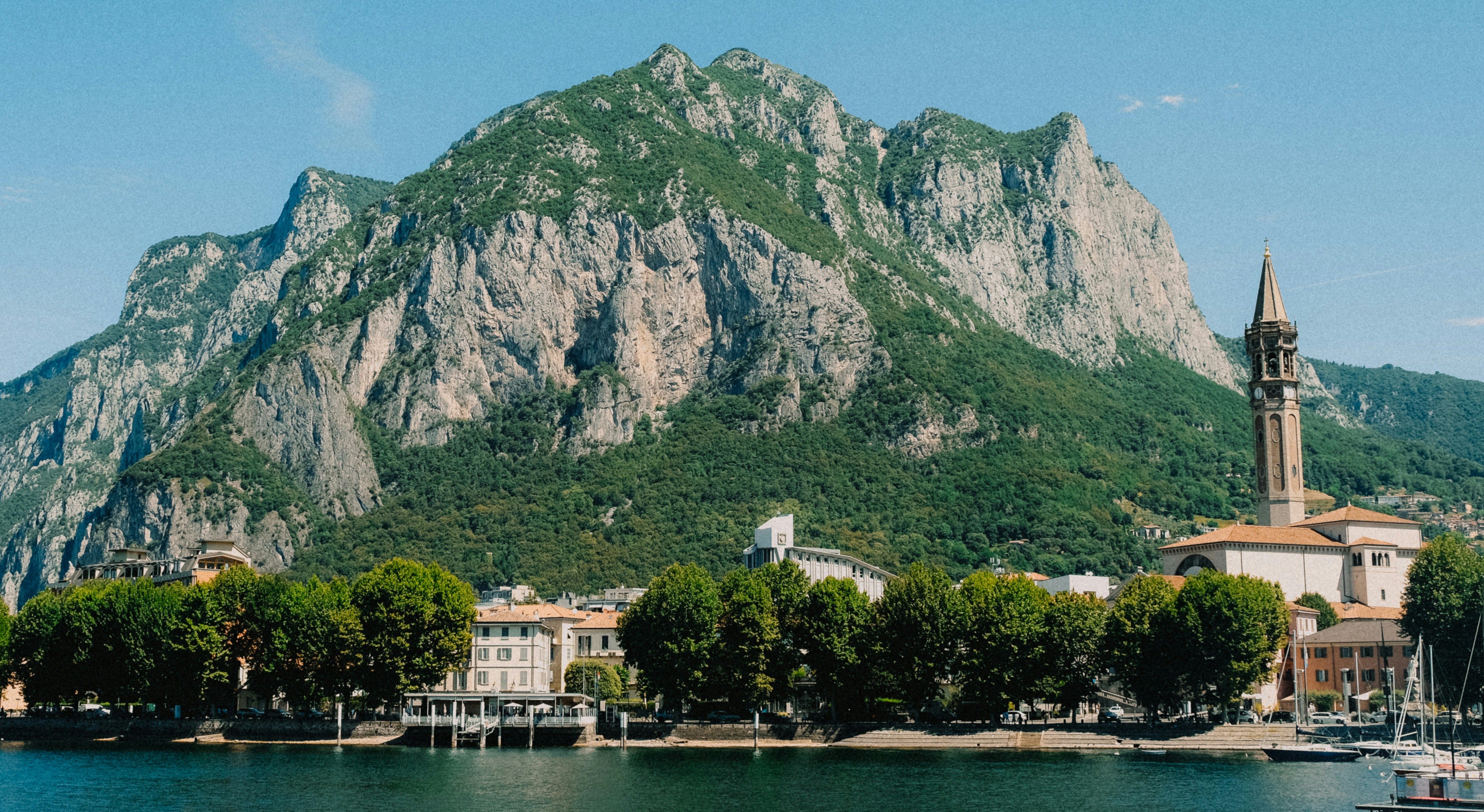
The mountains of Lecco were a workplace long before they became a view.
Inside the Grigna there are tunnels. Iron ore was quarried from the flanks of these valleys, in Valsassina and Valvarrone, where the earliest traces of mining go back to Roman times, and along the Gerenzone stream, which flows down into the city through the districts of Laorca, Malavedo, Rancio and San Giovanni, the water turned the wheels of dozens of forges and wire-drawing mills.
Out of them came nails and iron wire, chains, buckles, farm tools. The woods supplied charcoal for the furnaces, the streams the driving force, Milan a day's journey away the market. Lecco was the city of iron, and the paths that today lead to mountain huts were once the roads of those who went up to quarry. Then the workers began climbing those same mountains on Sundays, for free, for nothing, and since they knew how to work metal, they built their own gear.
Keep that sentence in mind, because it explains Lecco better than anything else. But let's set it aside for a moment, because there's a city to explore first.
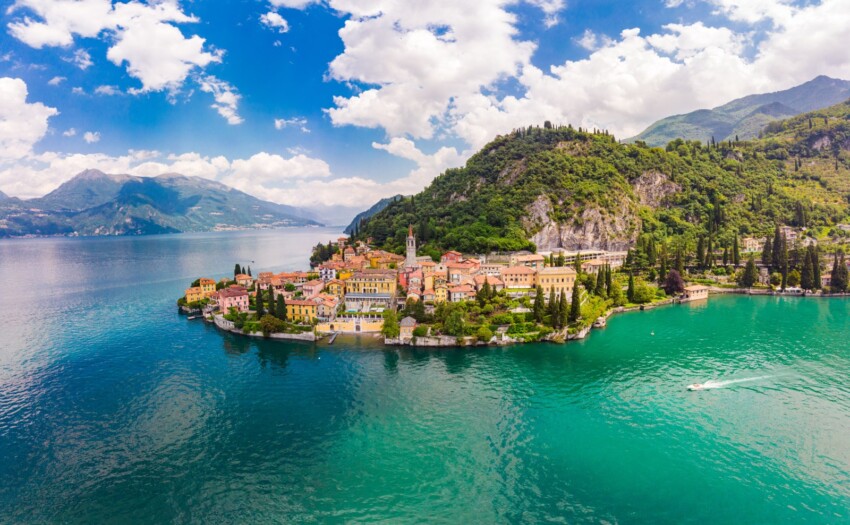
Lecco sits at the southern tip of the eastern branch of Lake Como, wedged between rock and water within 45 square kilometers that hold a provincial capital of nearly 47,000 inhabitants and fifteen named districts. It's the only point where the lake flows out: here the Adda river resumes its course southward, which makes Lecco a threshold rather than a shore.
Above the city rise the majestic peaks of the Grigne and the Resegone; inside it, a medieval and neoclassical historic center, the settings of The Betrothed, and two twentieth-century stories worth the trip on their own.