Bellagio: what to see beyond the postcard
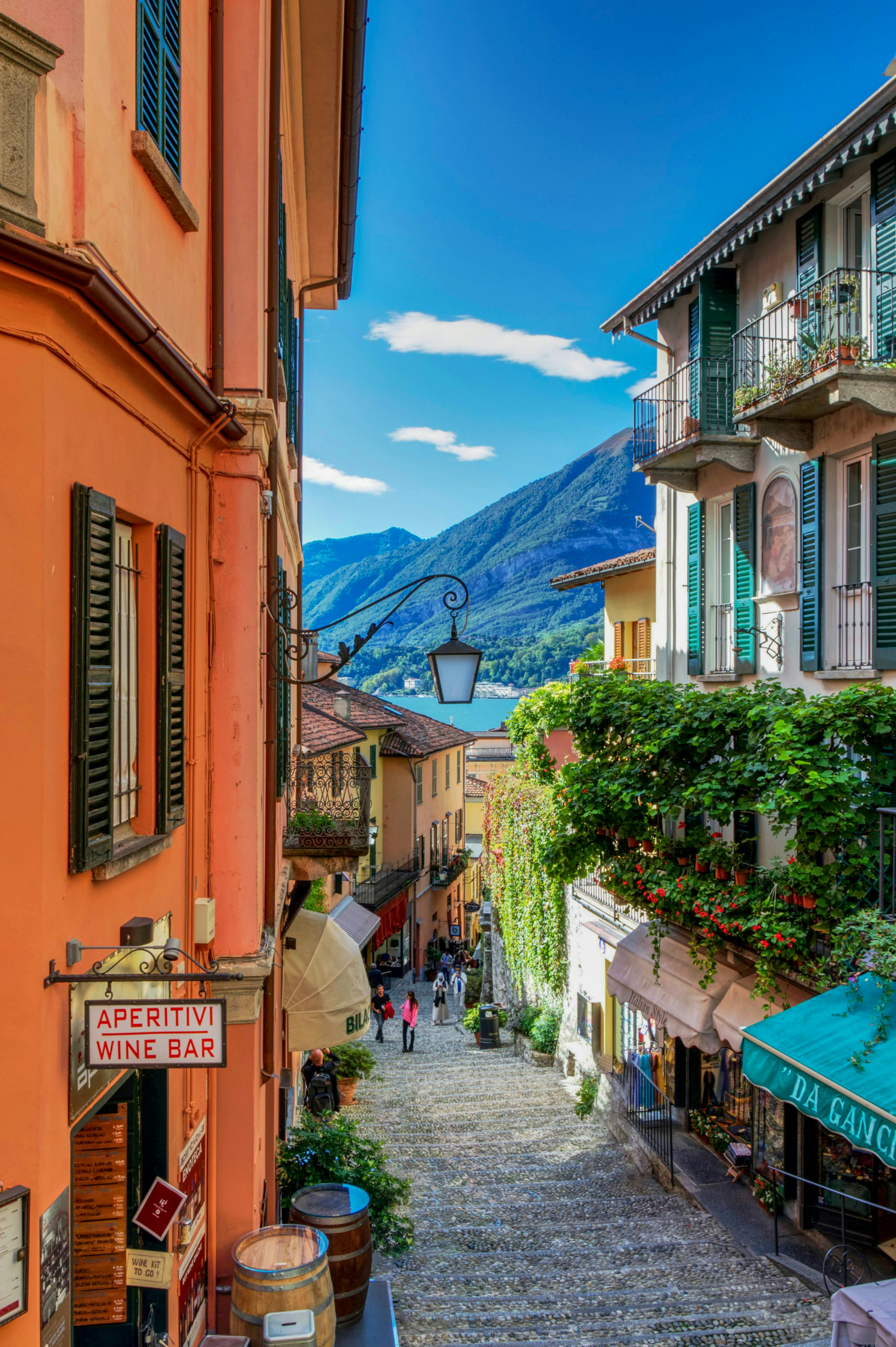
There's a recurring photograph,one you've probably already seen many times,even if you've never set foot on Lake Como. A narrow staircase climbing between two rows of ochre houses,white awnings,a few blooming geraniums,and in the background the lake serving as backdrop to this wonderful frame. It's Salita Serbelloni,and every summer between ten and four there are more people queuing to photograph it than there are residents in the entire lakeside village.
The problem isn't that it's overrated — that would be the wrong word for it. The problem is that this is almost all the average visitor sees of Bellagio,because they often arrive on the eleven o'clock ferry and leave on the three o'clock one.
In these few hours available,there's only time to wander the historic center,have an aperitivo with a lake view,buy some local silk fabric,and then head back with the impression of having seen a pretty but very crowded town.
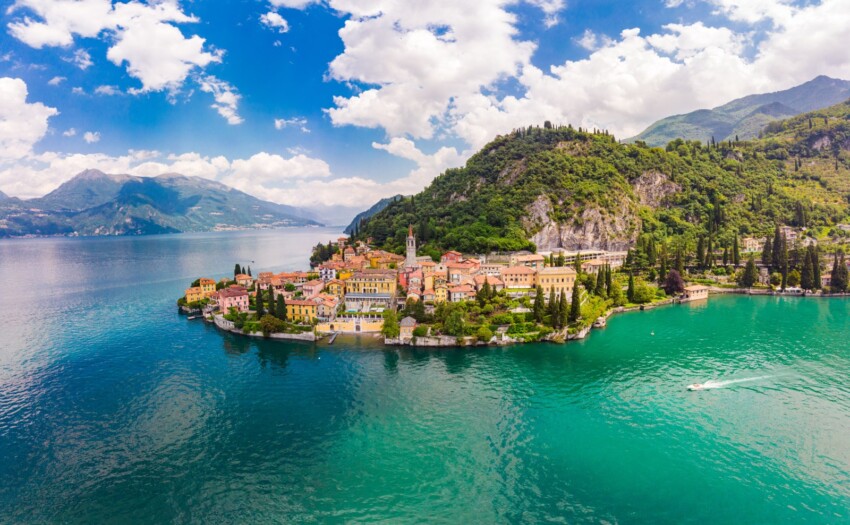
Bellagio is a whole other thing. It's an entire promontory: two historic parks,a Romanesque basilica that is also a case of questionable restoration,four hamlets on the water that almost never appear in guidebooks,and for the past twelve years also a stretch of mountain reaching all the way up to 1,682 meters.
IN SHORT
- The historic center can be seen in an hour. The three things that make the day worthwhile (Punta Spartivento,the gardens of Villa Melzi,the park of Villa Serbelloni) are all outside the photographed old town.
- Villa Serbelloni is not the Grand Hotel Villa Serbelloni. They are two different things,two hundred meters apart,and confusing them is the most common mistake people make when planning their visit.
- With both parks,a full day costs 23 euros in admission fees. Punta Spartivento and the basilica are free.